


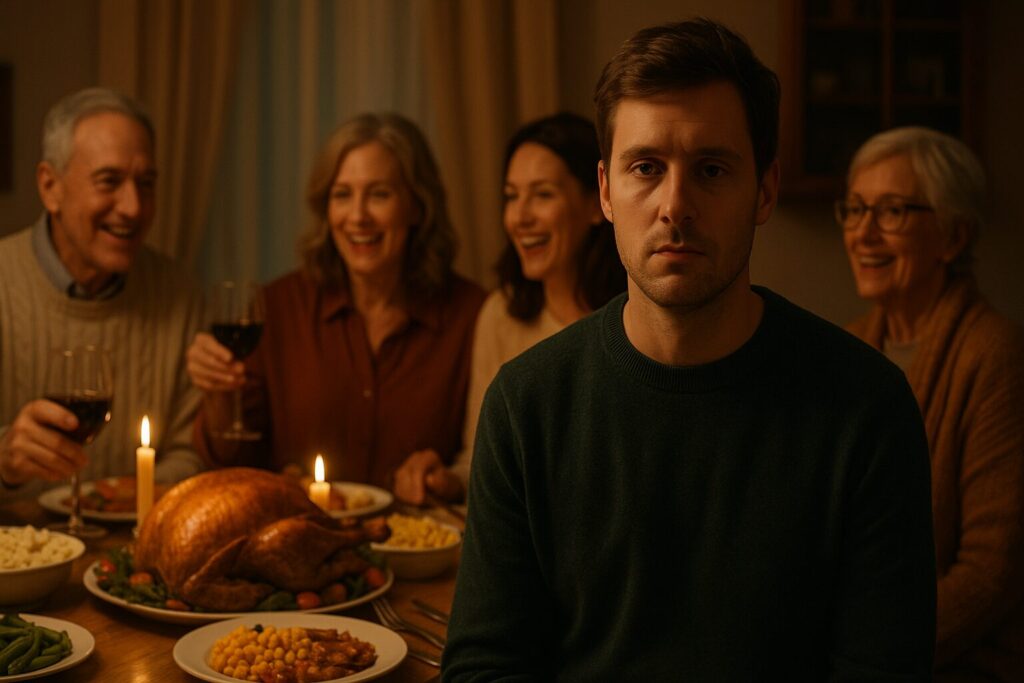
Thanksgiving Gratitude Proven To Worsen Post-Holiday Depression
Abstract
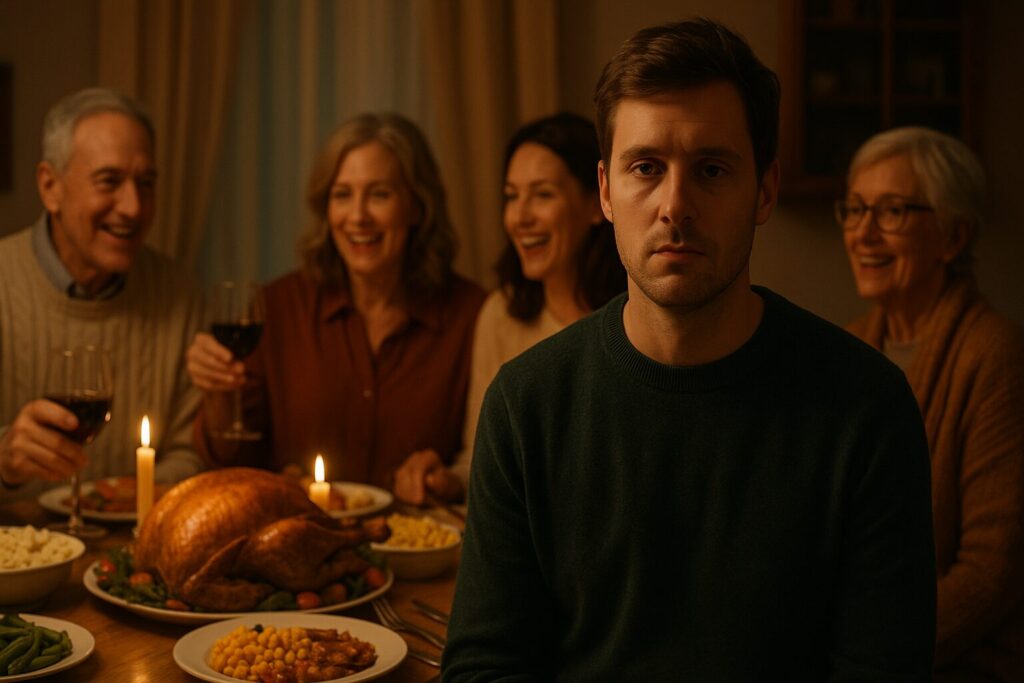
A new report by the Center for Seasonal Emotional Research (CSER) reveals that Thanksgiving gratitude may actually intensify post-holiday depression. Once hailed as a day of reflection and family unity, Thanksgiving now serves as an elaborate distraction from the gnawing realization that another year has slipped by—along with the same weight loss goals, unfinished projects, and vague dreams of “getting life together.”
Methodology
Researchers surveyed 1,200 adults between November 15 and December 31, tracking emotional fluctuations before and after the holiday. Participants were instructed to list ten things they were grateful for and then revisit the list one week later. By that time, 87% reported feeling “mild to severe existential dread,” particularly after comparing their gratitude notes to their still-overdue gym memberships, unupdated résumés, and unfulfilled “side hustle” ambitions.
Results
Findings indicate that gratitude temporarily raises optimism by 14%, but within 48 hours, this effect reverses—leading to spikes in impulse spending, doom scrolling, and frantic online searches for “new year reset routines.” In 62% of cases, participants claimed they were “thankful for family,” but simultaneously Googled “how to survive being around family” during the meal.
Conclusion
Thanksgiving may function less as a holiday of thanks and more as an emotional sedative—masking collective anxiety until the next year’s self-improvement cycle begins. Experts recommend skipping the gratitude list entirely and confronting personal disappointment head-on, ideally before Black Friday.
References
Pilgrim Institute of Emotional Suppression (PIES). “Gratitude and Denial: A Longitudinal Study on the Psychological Impact of Turkey-Based Holidays.” Journal of Seasonal Psychology, 2024.
National Association of Unmet Goals (NAUG). “Year-End Self-Evaluation Patterns Among Adults Who Still Haven’t Started Their 2021 Resolutions.” Behavioral Regression Quarterly, 2023.